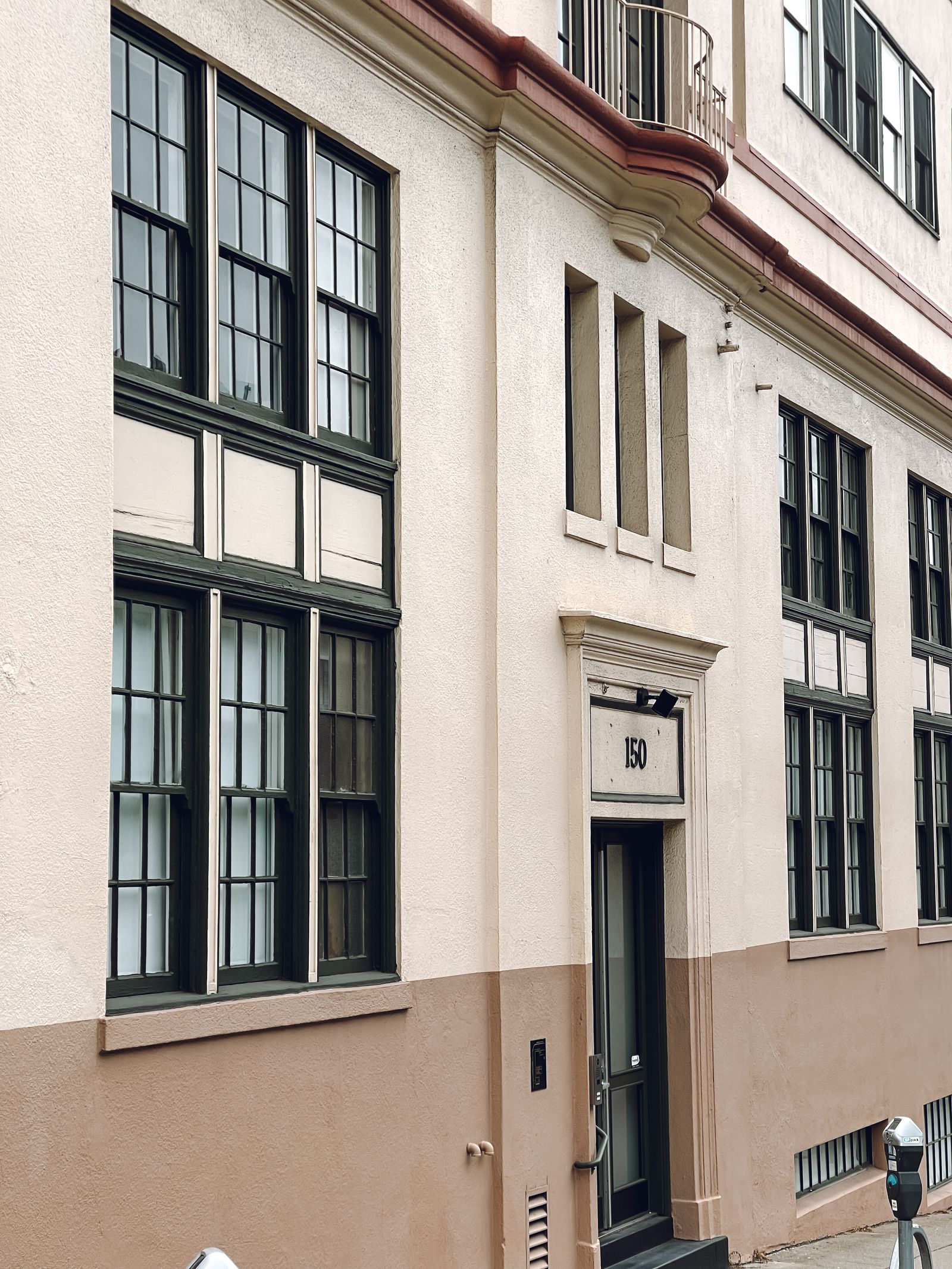
Soft washing emphasizes compatible treatment and controlled rinsing
Soft washing generally combines a compatible cleaning solution, controlled dwell time, and a measured rinse to address organic growth and atmospheric film on tested surfaces. The purpose is to treat the deposit without relying on maximum water impact. That can fit a shaded Winston-Salem wall where algae, mildew, pollen film, or damp biological growth is the primary issue and where the substrate, landscaping, weather, and drainage plan support the process.
Soft washing is not a guarantee that every mark disappears. Mineral scale, oxidation, rust, soot, old paint, failed sealant, coating failure, and damaged masonry may need specialty work or repair. A test area helps a facilities manager see the likely finish before scheduling a broad elevation. It also prevents a cleaning project from being mistaken for repointing, waterproofing, leak correction, historic restoration, or coating replacement.
Pressure washing belongs on materials that can tolerate impact
Pressure washing uses water impact to release compatible loose soil from materials that can tolerate the selected pressure, nozzle, distance, flow, and technique. It may fit portions of concrete walks, loading areas, curbs, or other durable hardscape when the operator can control splash, traffic, and runoff. It is not automatically appropriate for old mortar, fragile coatings, EIFS, weathered trim, window seals, decorative brick, or areas where water can enter behind the facade.
More pressure does not mean a better commercial result. It can etch concrete, stripe a surface, remove paint, disturb joints, drive water behind openings, damage seals, or scatter soil toward an occupied entrance while leaving organic staining behind. In Winston-Salem, the comparison should include noise, overspray, public separation, vehicles, landscaping, air intakes, doors, and the path to a stormwater feature. Judge the full process rather than a pressure number alone.
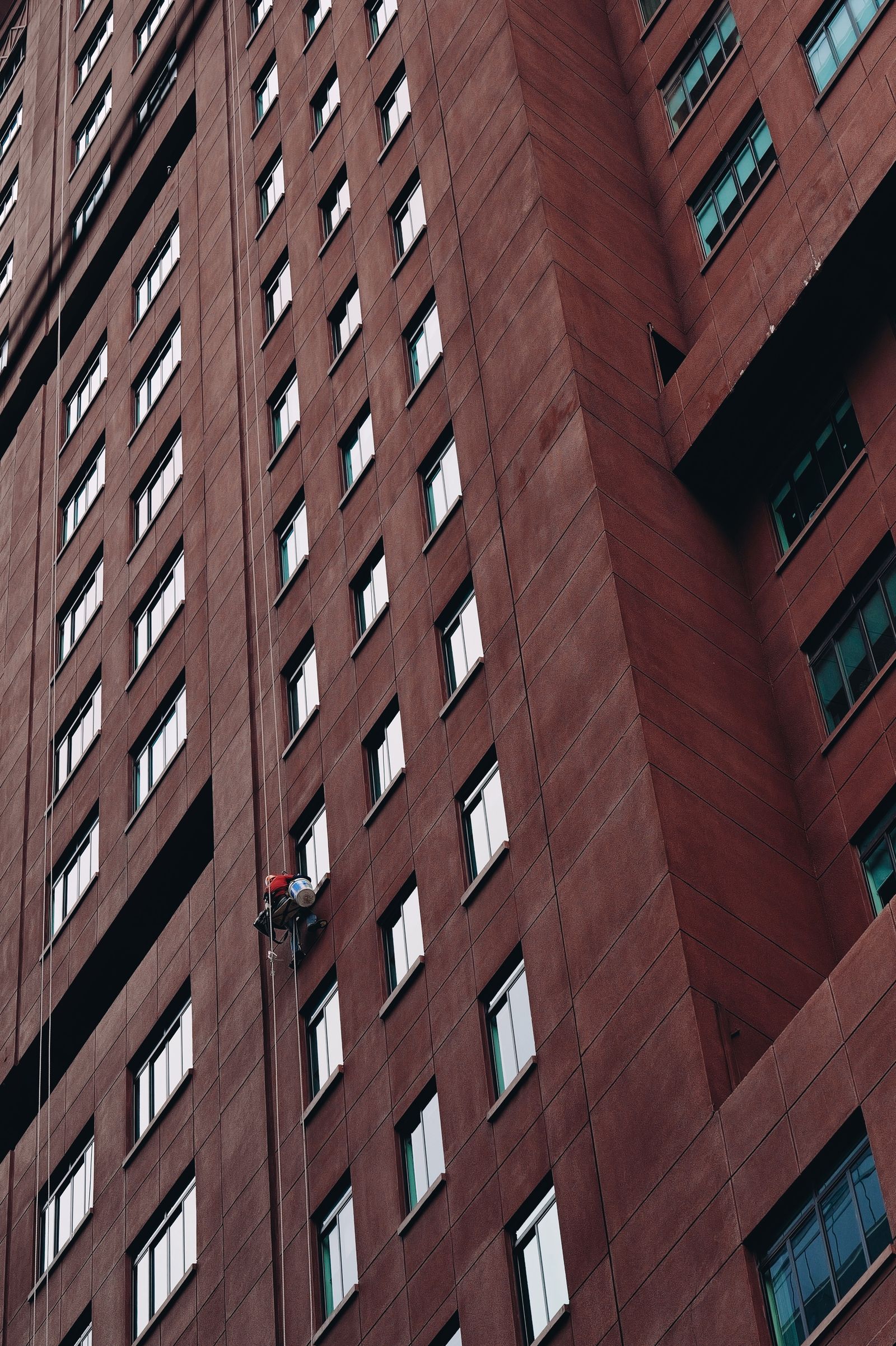
Match the method to local materials and building use
Downtown Winston-Salem and the Innovation Quarter can combine historic masonry, storefront glass, recessed entries, canopies, and tight pedestrian routes. Healthcare campuses add patient circulation, emergency access, ventilation, and quiet hours. Wake Forest and Winston-Salem State facilities bring class changes, residence halls, athletics, events, and deliveries. Hotels and restaurants need guest-facing elevations coordinated with check-in, outdoor seating, conferences, and food service. Manufacturing and distribution sites add truck courts, badges, forklifts, and shift schedules.
A green mark on a shaded brick wall may be biological growth, while a mark on a sunny metal panel may be oxidation or roof runoff. A concrete dock may accept controlled pressure while nearby EIFS needs a gentler process. The scope should assign a method by material and elevation and identify surfaces needing contact tools, water-fed equipment, a lift, or hand work. One building can legitimately have several methods in the same project.
Include Piedmont weather in the comparison
Winston-Salem heat, humidity, spring pollen, tree shade, rain, and storm activity affect drying, dwell, visibility, traction, and recurrence. Horizontal ledges may collect pollen soon after a wash, while shaded north walls remain damp longer. A sunny painted panel may reveal oxidation after surface film is removed. Roof runoff can create vertical streaks independent of the cleaning method. The right sequence may prioritize high-visibility entrances, pollen-heavy months, pre-event presentation, or elevations that repeatedly stay wet.
Lightning, gusts, heavy rain, poor visibility, and slick routes can affect pressure control, rinse quality, aerial stability, and public safety. A responsible schedule sets wind, precipitation, visibility, and temperature limits, with a pause and equipment-securement process. If a storm changes the drainage path or prevents a dry inspection, rescheduling is part of quality control. The comparison should include the time needed to protect entrances, wait for safe conditions, and complete a documented handback.
Compare aerial feasibility with ground access
Aerial assistance may support broad upper wall fields when launch space, recovery space, line of sight, stand-off distance, wind, airspace, and ground separation are suitable. It does not replace every lift or contact tool. Trees, wires, rooftop equipment, balconies, recessed details, window frames, ornate trim, tight courtyards, and delicate finishes can make ground access the better choice. A hybrid plan can reduce disruption on suitable upper zones while preserving precision at entries and details.
The Piedmont Triad airport environment, university activity, medical operations, event traffic, and nearby roads can affect an aerial work plan. Commercial operators must follow applicable Federal Aviation Administration requirements and obtain any authorization needed for the address and date. Ask which elevations are proposed for aerial assistance, how spotters and barriers will work, what weather limits apply, and what alternate method is ready if airspace, wind, public movement, or finish requirements change.
Compare water management and occupied-site disruption
Both soft washing and pressure washing create water-management duties. A Winston-Salem property may slope toward curb inlets, planted beds, storefronts, parking decks, loading docks, basement doors, or accessible paths. Before work, map drains, low points, doors, air intakes, irrigation, vehicles, and pedestrian routes. Depending on the products, soil, rinse volume, slope, drainage, and property rules, controls may include protection, diversion, collection, recovery, filtration, or reduced-rinse techniques. A drain visible from the work area is not automatic permission to discharge wash water.
Disruption belongs in the comparison as well. A hospital may need patient routes open, a university may need a gap between classes, a hotel may need a guest-facing elevation completed before arrivals, and a manufacturer may need truck access throughout a shift. Ask for the proposed test area, method by zone, weather limits, water assumptions, drainage plan, public controls, intended finish, exclusions, and closeout standard before comparing bids. The lowest equipment cost can still be the wrong operational choice.
Use the comparison to request a property-specific quote
Start with the Winston-Salem address, facade photographs, approximate height, materials, visible deposits, priority elevations, desired result, operating hours, water source, drainage concerns, and restrictions involving patients, students, guests, tenants, employees, deliveries, events, or security. A remote review, site visit, or test area may be appropriate. The written scope should separate facade washing from glass detailing, mineral removal, oxidation treatment, construction residue, graffiti, coatings, and repairs.
If aerial assistance is proposed, ask where it applies, how the ground area will be controlled, what weather and airspace limits govern the work, and what backup method covers details or changing conditions. Drone Building Cleaners can compare soft washing and pressure washing by elevation instead of forcing one approach across the entire property. Call +1 239-351-2897 or email contact@dronebuildingcleaners.com to get in touch and request a Winston-Salem quote.